Last reviewed: July 2026 · How we research these costs · Research source: BRANZ
Budget between $28,000 and $75,000 for a full exterior refresh on a standard three- or four-bedroom Auckland home in 2026 — GST at 15% is already folded into that range. It covers repainting, new spouting, minor weatherboard or cladding repair, a roof tidy-up and some kerb-appeal landscaping. Older villas across the isthmus, and the bigger two-storey places out in Howick, regularly push past $90,000 once scaffolding and hidden rot repair get added to the job.
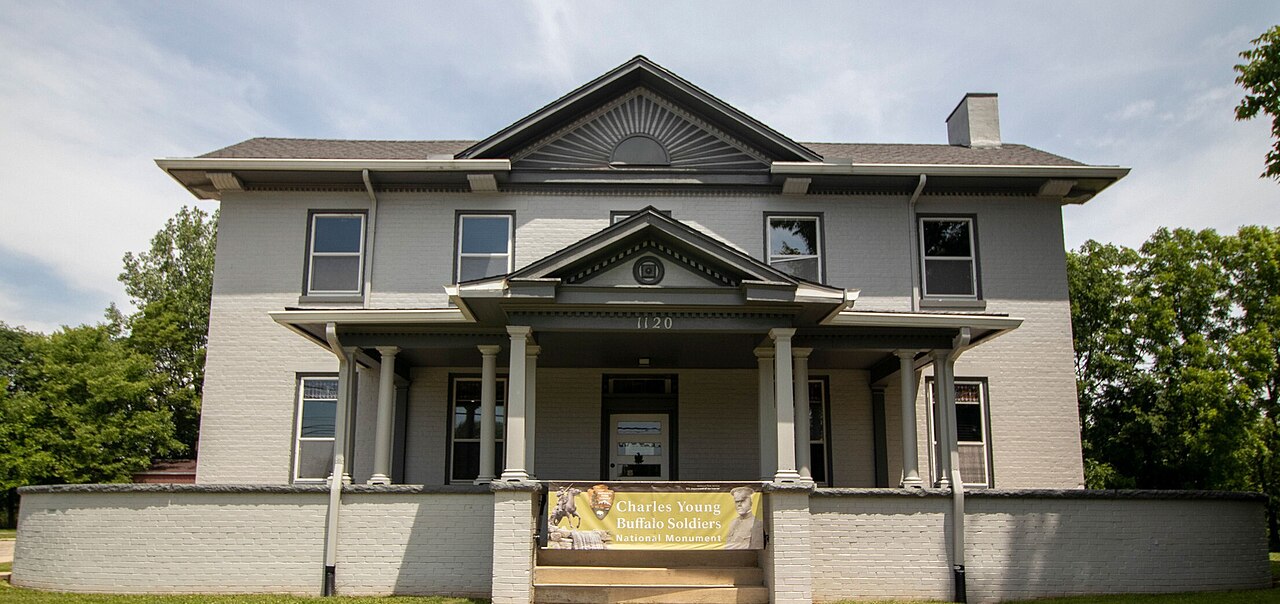
My name’s Dave Kelleher, and I’ve spent the last 21 years up ladders around Auckland — recoating weatherboard villas in Grey Lynn and Ponsonby, chasing rot on bungalows in Mt Eden, and scaffolding the bigger two-storey builds out in Howick and Remuera. An exterior refresh isn’t one job, whatever the number on the quote says. It’s five or six separate jobs bundled together, and which of them your house actually needs is what moves the price. Here’s the bit that surprises most owners: the paint itself is the cheap part. A good exterior system might run a few hundred dollars a pail. It’s the two weeks of scraping, and scraping again, that costs you.
Key takeaways
- Budget roughly $28,000–$75,000 incl. GST for a full exterior refresh on a standard three- or four-bedroom Auckland home in 2026.
- A “refresh” is really five or six jobs bundled together — repaint, spouting, cladding repair, roof, joinery and landscaping — and which ones you actually need sets the price.
- The paint is the cheap part; it’s the days of scraping and prep that cost you.
- A second storey adds $3,000–$8,000 for scaffolding before a brush touches the weatherboards, and hidden rot is the biggest wildcard on any quote.
- Get three itemised written quotes — two coats of a quality system will outlast three coats of the cheapest tin in Auckland’s climate.
- Sequence the work repair → paint → landscape, and put weathertightness ahead of looks if money’s tight.
- Every figure here is indicative. Only a site visit gives you a real number.
In this guide
- What a full exterior refresh costs right now
- Size, height and rot: what actually sets the number
- The breakdown I actually quote from
- What it costs on the homes I actually work on
- Getting three quotes you can actually compare
- Repair, then paint, then landscape — in that order
- Questions I get asked before a job starts
What a full exterior refresh costs in Auckland right now
Before we get into line items, here’s the headline: for a full exterior refresh on a standard three- or four-bedroom Auckland home in 2026, I’m quoting somewhere between $28,000 and $75,000, and the 15% GST is already inside that number so there’s no nasty surprise at the foot of the invoice. That’s a wide band, and it should be — a “refresh” isn’t a single product you buy off a shelf. On most of my jobs it’s five or six separate pieces of work stitched together: a full repaint, new spouting and downpipes, some weatherboard or cladding repair, a roof clean or recoat, a tidy-up of the windows and joinery, and a bit of kerb-appeal landscaping.
Which of those your house actually needs is what decides where you land in the range. Strip a job back to a straight recoat on sound cladding and you’re at the bottom end. Add scaffolding, a pile of rot and a full roof and you’re at the top — and the older villas across the isthmus, along with the bigger two-storey places out in Howick, regularly push past $90,000 once the hidden work turns up. Treat every number in this guide as a working range, not a fixed price. The only figure that means anything is the one on your own written quote after someone has walked the site.
Size, height and rot: what actually sets the number
Three things move the figure more than anything else. House size and height come first — a single-level home is straightforward, but the moment a second storey needs scaffolding, add $3,000 to $8,000 before a brush touches a weatherboard. Condition comes second. Sound cladding is cheap to paint; rotten weatherboards, failed sealant and leaky window flashings are not, and Auckland’s humidity and driving rain find them fast, especially on the western-facing walls I end up re-boarding most often. Material is the third. Timber weatherboard, fibre-cement, brick and plaster all take different prep and different coating systems, and a villa from the early 1900s behaves nothing like a 1990s fibre-cement build once you’re standing on the scaffold looking at it.
The breakdown I actually quote from
| Item | Typical cost | Note |
|---|---|---|
| Exterior repaint (labour, prep & paint) | $45–$75 per m² (≈$12,000–$25,000 typical home) | Full prep on flaking older paint costs more than a straightforward recoat |
| Scaffolding, two-storey | $3,000–$8,000 | Hire period included |
| Weatherboard / cladding repair | $1,500–$10,000 | Depends how much rot turns up once the old coating comes off |
| New spouting & downpipes | $60–$120 per lineal metre (≈$4,000–$9,000 whole house) | — |
| Roof clean, treatment or repaint | $2,500–$8,000 | Depends on pitch and material |
| Kerb-appeal landscaping | $5,000–$20,000 | Entirely scope-dependent |
| Windows & joinery repaint or reseal | $2,000–$6,000 | — |
Those ranges are wide on purpose. That’s the honest reality of exterior work — nobody can price the rot they haven’t uncovered yet. When I quote a job, I price the visible work firmly: square metres of wall, lineal metres of spouting, roof pitch. Then I flag the unknowns, mostly cladding repair, as provisional, and I tell the client exactly why before anyone signs anything.
What it costs on the homes I actually work on
The table above is how I break a job into parts, but most owners just want to know where their particular house is likely to land. So here’s the same money looked at a different way — by the kind of home I’m standing in front of. These are indicative bands drawn from the sort of jobs I see week to week; your own written quote after a site visit is still the only figure that counts.
| Home type | What the refresh usually involves | Indicative total (incl. GST) |
|---|---|---|
| Single-storey bungalow, sound cladding | Repaint, new spouting, roof tidy-up, light landscaping | $28,000–$45,000 |
| Isthmus villa (1900s–1920s), some rot | Full-prep repaint, weatherboard repair, spouting, roof | $45,000–$75,000 |
| Two-storey home (Howick, Remuera) | Scaffolded repaint, re-boarding hidden rot, full roof | $75,000–$95,000+ |
The jump between those bands is almost never the paint — it’s the scaffolding, the prep and the rot repair. A villa that looks tidy from the footpath can hide a fortnight of scraping and re-boarding once the old coating comes off the western wall, and that’s the single biggest reason two similar-looking houses can quote thousands apart. If you’re at the planning stage, it pays to assume your home sits at the higher end of its band until a proper inspection tells you otherwise, rather than budgeting for the best case and getting caught short.
Getting three quotes you can actually compare
Get three written quotes and insist each one is itemised the way mine is above. A single lump sum tells you nothing and makes comparing tradespeople impossible. Ask each painter to name the coating system and the number of coats — two coats of a quality exterior system will outlast three coats of the cheapest tin in Auckland’s climate, every time. Check the tradie holds the right qualifications and current public liability cover before they’re anywhere near your roof. For the building-science side of coatings and moisture in older homes, the guidance from BRANZ is a sensible, neutral place to start if you want to understand what’s actually happening behind the paint film.
Repair, then paint, then landscape — in that order
Sequencing catches people out more than budget does. Repair and recladding come before painting; painting comes before landscaping. Do it backwards and you pay twice — I’ve seen it happen on a job in Devonport where the garden went in before the scaffolding came down, and half of it got flattened. If money’s tight, prioritise the weathertightness items — spouting, cladding repair, roof — ahead of the cosmetic ones. Paint protects the house; new planting just makes it look loved. Timing matters too: Auckland’s reliable painting window runs roughly October to April, when surfaces actually dry between coats. Book early — the crews I’d trust are usually full by late spring.
Questions I get asked before a job starts
How long does a full exterior refresh take? For a typical single-storey home, allow two to four weeks of on-site work, weather permitting. Two-storey homes with significant repair can run six weeks or more. Auckland’s changeable weather stretches painting timelines, so build slack into your plans.
Should I refresh before selling or stay and enjoy it? If you’re selling, put the money into paint, spouting and tidy landscaping — the things buyers see at the first viewing — and skip the big structural extras. If you’re staying, prioritise weathertightness first and treat looks as the bonus.
What adds the most value for the least money? A quality exterior repaint in a considered colour, paired with new spouting and a tidied entrance, gives the strongest return. It’s usually a fraction of a kitchen or bathroom spend and transforms how the whole property reads from the kerb.
Should I repair or replace old villa weatherboards? On isthmus villas built in the 1900s to 1920s, I repair rather than replace almost every time. Original rimu and matai weatherboards outlast modern substitutes once they’re properly primed and the rot is cut back to sound timber. Full replacement only starts making sense once more than half a wall’s boards have failed.
How often will an Auckland exterior need repainting? In my experience a good exterior system on timber weatherboard holds up around seven to ten years in Auckland before it wants a recoat, and a little less on the western and coastal walls that cop the worst of the driving rain and sun. Keeping the spouting clear and washing the walls down once a year buys you time at the top of that range rather than the bottom. If part of the refresh is removing something first — an old lean-to, a failed deck — a Hamilton demolition contractor can price that as its own line so it does not hide in the painting quote.