Last reviewed: July 2026 · How we research these costs · Trade body: New Zealand Certified Builders
My name’s Grant, and after eighteen years pouring slabs across Auckland — everywhere from the steep sections in Titirangi to the flat clay lots out toward Manukau — the one call I get almost every week is the same: “plain concrete or exposed aggregate, which one for my driveway?” There’s no single right answer, but there is an honest one, so here’s how I actually walk clients through it before they get quotes: the finish, what each costs, how they grip and wear in Auckland conditions, and which I’d pour for you.
Key takeaways
- Both finishes start as the same pour over the same base — exposed aggregate just has the top paste washed off to reveal the stones.
- Plain broom finish runs $120–$160 per m²; exposed aggregate adds roughly $40–$70 per m² on top.
- Exposed aggregate hides oil, leaf and tyre marks and grips better in the wet — my default on sloped drives and pool edges.
- Plain concrete wins on repairs: a grey patch blends; matching aggregate stone and wash depth is hard.
- Cracking is decided by base, reinforcing and control joints — not the finish.
- A common Auckland answer is both: aggregate on the visible entrance, plain round the back.
In this guide
- Two finishes, same slab underneath
- How each one actually looks once it’s down
- What it actually costs per square metre
- Side by side: which finish wins on what
- Grip — the bit people forget until it’s raining
- Keeping either finish looking right
- Which one I’d actually pour for you
- Questions I get asked before a pour
Two finishes, same slab underneath
Strip away the marketing talk and both driveways start life as the same pour. Exposed aggregate is standard concrete where we wash off the top layer of cement paste while it’s still green, so the stones sitting inside the mix are revealed — that’s the texture you’re paying for. Plain concrete just gets floated smooth and then dragged with a broom for grip, and that’s the whole difference. Same truck, same base, same reinforcing steel underneath — the finish is really the last twenty minutes of the job.
How each one actually looks once it’s down
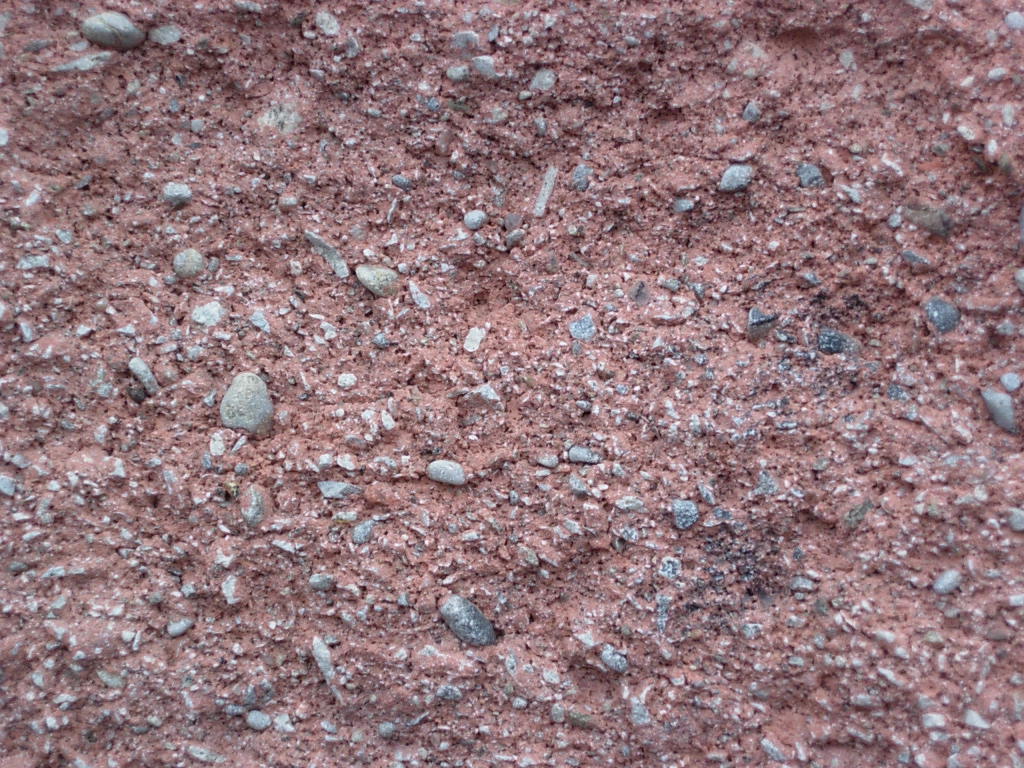
Plain concrete is clean, quiet, and it suits a lot of the newer builds going up around Auckland — it doesn’t fight with anything. Exposed aggregate gives you colour and texture instead, and the stone choice matters: schist reads warm, river pebble is softer and rounder, darker basalt tones sit well against brick villas and bungalows from the early 1900s through the 1930s that you still see plenty of around the older suburbs. The other thing nobody mentions upfront — because a broom-finished slab is flat grey, oil drips, leaf tannin stains and tyre marks show up on it fast. Exposed aggregate’s busier surface hides all of that far better.
What it actually costs per square metre
Here’s the honest breakdown I give clients, laid in Auckland conditions:
| Finish | Typical cost | Why |
|---|---|---|
| Plain (broom-finished) concrete | $120–$160 per m² | Standard pour, float, broom drag — no extra labour or materials |
| Exposed aggregate | +$40–$70 per m² on top of plain | Decorative aggregate stock plus the wash-off has to happen at exactly the right moment or it fails |
That gap looks bigger on paper than it plays out over ten or fifteen years — the stain resistance on exposed aggregate often claws back some of that difference in how much cleaning and touch-up the driveway needs.
Side by side: which finish wins on what
When it comes down to it, the choice is a handful of trade-offs. Here’s how they stack up on the things that actually matter once the drive is in daily use:
| Factor | Plain concrete | Exposed aggregate |
|---|---|---|
| Upfront cost | Lower | +$40–$70/m² |
| Hides stains & marks | Poor — shows everything | Good — busy surface disguises it |
| Wet-weather grip | OK when new, polishes over time | Better — texture is built in |
| Ease of repair | Easy — grey patch blends | Harder — matching stone & wash is skilled |
| Suits older character homes | Neutral | Warmer stone sits well with timber/brick |
Grip — the bit people forget until it’s raining
Auckland’s wet enough, often enough, that this isn’t a minor point. Exposed aggregate has real texture built into the surface, which is why I default to it on sloped driveways and around pool edges — it just grips better underfoot and under tyres. A broom finish is fine on the flat when it’s new, but I’ve re-done more than a few driveways where years of foot traffic and hosing polished that broom texture down until it went slick, especially on a grade.
Keeping either finish looking right
- Sealing. Both finishes are better sealed. On exposed aggregate especially, sealing locks the stones in place and brings the colour up — plan on resealing every few years, not once and forget it.
- Cleaning. A garden hose and a stiff broom does most of the work on either surface. Skip acid washes — they’ll etch the surface and you can’t undo it.
- Repairs. This is where plain concrete wins outright. A patch on a grey broom-finished slab blends in fine. Matching aggregate — getting the same stone, the same wash depth, the same colour — takes a lot more skill, and I won’t pretend otherwise.
Which one I’d actually pour for you
If it’s a back path, a shed slab, or a rental where nobody’s judging the aesthetics, plain concrete is the sensible call — the sand and lime in that mix are cheap, and there’s no reason to pay a premium for looks nobody’s paying attention to. If it’s the driveway visitors see first, or the site slopes toward the garage, exposed aggregate usually earns its extra cost over time. On a lot of Auckland jobs I end up doing both on the same property — exposed aggregate on the visible entrance and driveway, plain concrete round the back where it’s just utility.
Questions I get asked before a pour
Does exposed aggregate crack more than plain concrete? No. Cracking comes down to base preparation, reinforcement and control joints — not which finish sits on top. I’ve seen plain slabs crack from a rushed base and exposed aggregate hold up for decades on a properly compacted one. Groundwork beats finish every time.
Can I change a plain concrete driveway to exposed aggregate later? Not easily. The look is created during the actual pour and wash-off, so once it’s cured your realistic options are a decorative overlay or a full replacement — both cost more than just choosing the right finish up front.
What suits an older Auckland villa or bungalow better? I lean toward exposed aggregate with a warmer stone — schist or a mixed river pebble — in front of older weatherboard homes; it sits better against timber and brick than a flat grey slab does. It’s a preference call, not a technical one, but it’s the one I get asked about most on character properties.
Do I have to seal exposed aggregate, or is it optional? You don’t strictly have to, but I’d treat it as part of the job rather than an extra. Sealing locks the exposed stones in place, lifts the colour, and slows staining — skip it and you’ll get loose stones and a duller surface within a few years. Budget on a reseal every few years, more often near the coast.
Which finish is better for a sloped Auckland driveway? Exposed aggregate, most of the time. The built-in texture holds grip in the wet where a polished broom finish can go slick on a grade. If you’re set on plain concrete for a sloped drive, at least keep the broom texture coarse and reseal it before it wears smooth.
Whatever finish you land on, the base compaction, drainage falls and control joint spacing are what decide how long that driveway actually lasts. Get any contractor to spell those out in the quote — not just which stone or which broom they’re using.